

The truth is humans need beauty
Our world is full of noise. But true artwork helps us hear the signals.

Beauty grabs us.
I’m not talking about someone’s looks.
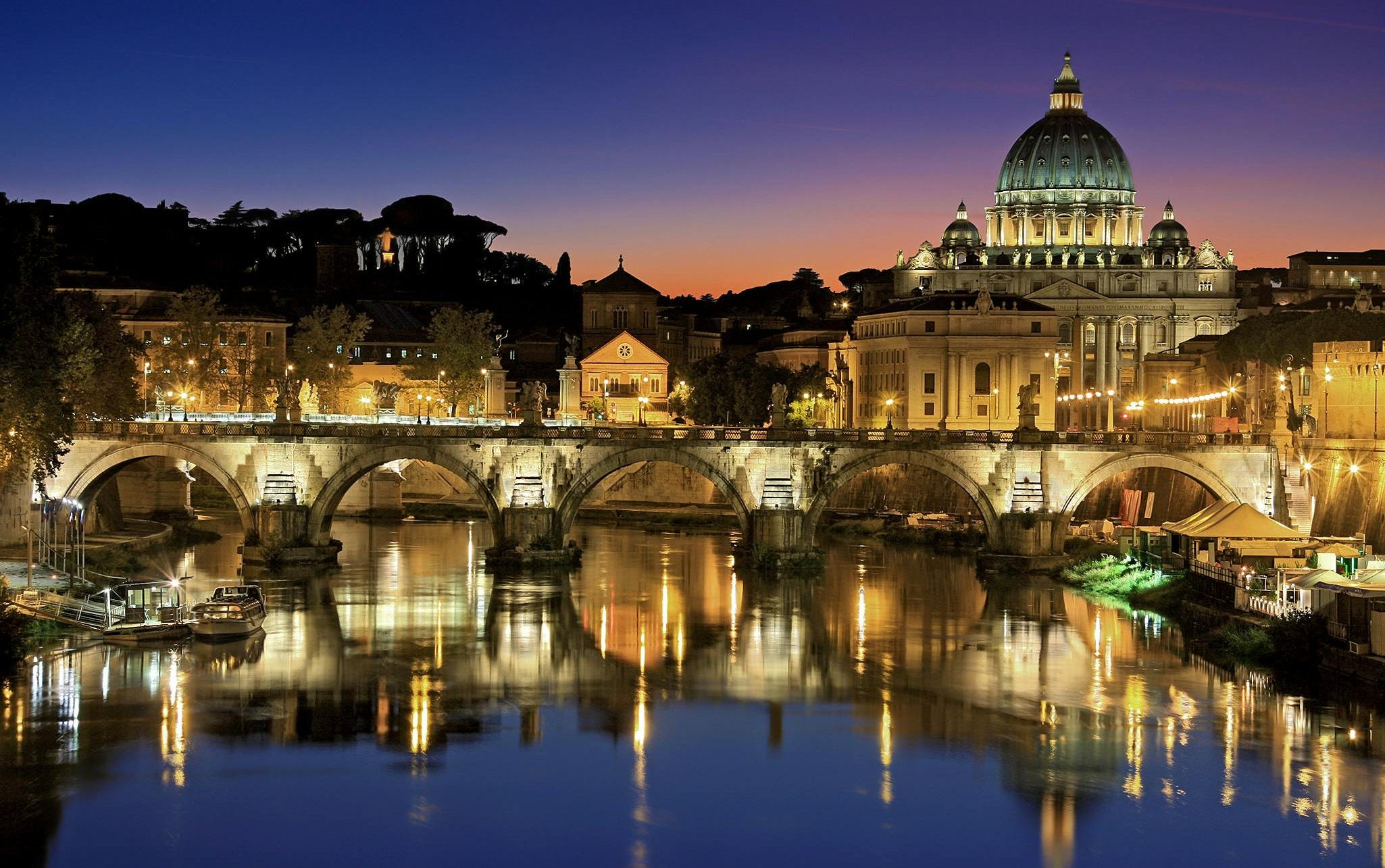
Think about cathedrals — those towering, intricate structures. Even if you can’t see every detail from the ground, the architecture pulls your gaze upward, toward the spires and the sky.
Beauty forces us to stop, look closer, and pay attention.
It’s during that act of focusing our attention that we often stumble on truths we’d otherwise avoid.

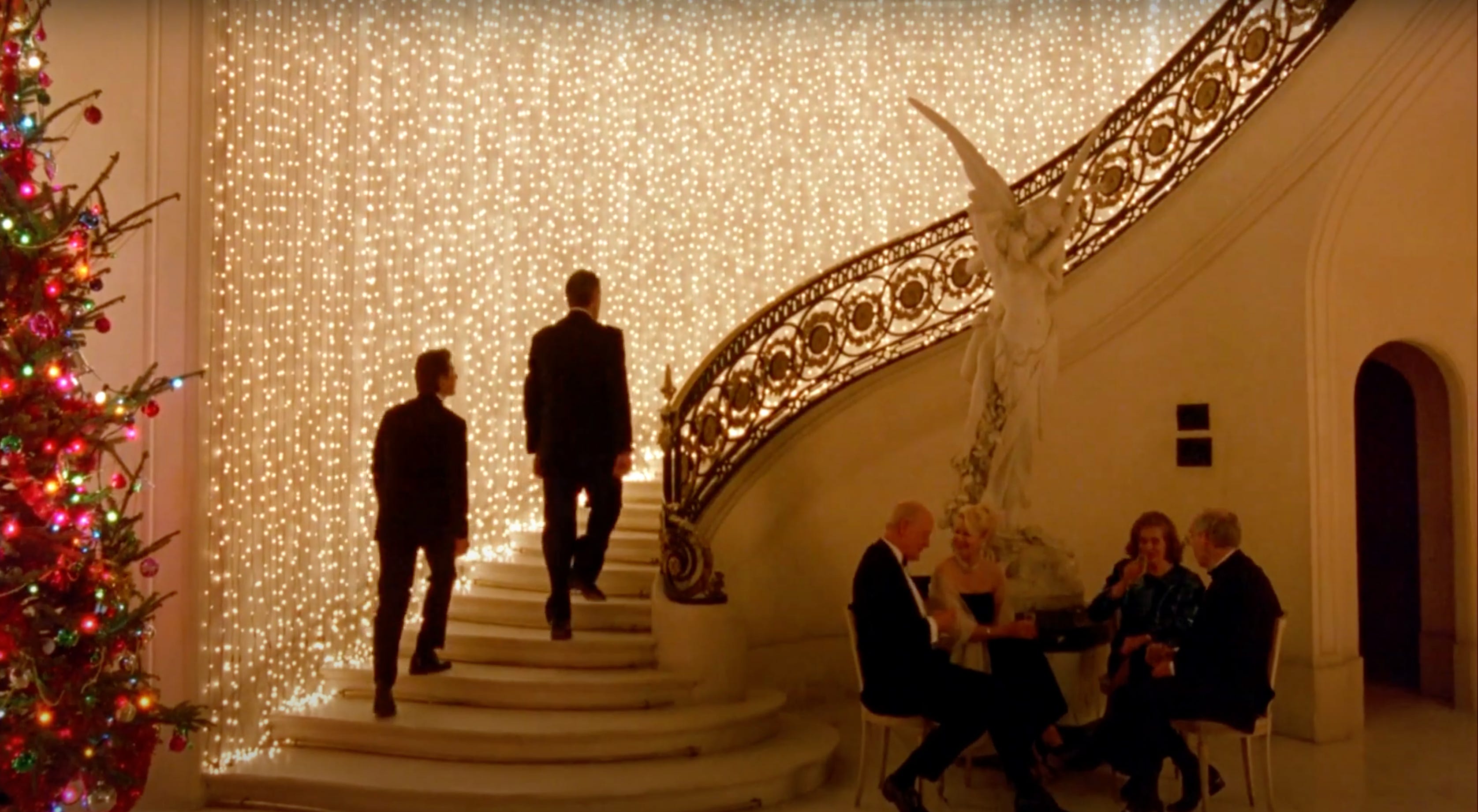
Take Stanley Kubrick’s Eyes Wide Shut. It’s not an easy film.
The pacing is slow, the dialogue feels stiff, and there are long, quiet moments that seem to go nowhere. But you can’t look away.
Every frame is stunning — lighting and composition, the way the camera moves. It’s mesmerizing, even as it reveals uncomfortable truths about marriage, power, and money.
Kubrick knew that beauty is the hook. Without it, we’d just tune out.
The modern world is too noisy and crowded with distractions to hold our attention.
Shock used to be an effective tactic to direct people toward the truth. But we’ve become desensitized.
Infinite shocking images are always only a scroll or click away.
But because it’s rare and so subjective, beauty in art and design still makes us stop and think.
This is true across the arts and media. Think about the writers who’ve lasted.
Mark Twain and F. Scott Fitzgerald didn’t just have something to say; they said it with artistic language that forces readers to linger over or return to certain passages.
Huckleberry Finn and The Great Gatsby are full of hard truths about American society and the people within it, but their prose is so compelling that we keep reading, digging, and finding new layers.
Would anyone still be reading The Great Gatsby if it was written in disjointed, confusing sentences? Probably not.
The same could be said of The Iliad, which even though it’s now thousands of years old, still resonates. War, loss, love, power, mortality — the tragedy and ectasy of human existence is all there. But would anyone besides students slog 800 pages if the writing weren’t so breathtaking? Probably not.
The incredible analogies, descriptions, and images of Homer’s language encourage us to examine the hard truths within.
A mediocre abstract painting might hold your attention for a few seconds while you try to figure it out. But a truly beautiful one? You’ll study it, absorb it, and keep thinking about it long after you’ve walked away.
Beauty helps sweeten the medicine we need to take. It invites us to dig deeper and understand what’s beneath the surface and why it matters.
Who knows, there might be some essential truths hiding in the ugly corners of the art world, but we’ll never find them. There’s no sweetness to encourage us to focus our attention.
Creating something beautiful isn’t easy. It takes genius or relentless effort.
But it’s worth it.
Because without beauty the truth just sits there, ignored.