

The Lost Empire That Once Rivaled Egypt
The Kingdom of Yam vanished without a trace, leaving behind one of ancient history’s greatest unsolved mysteries.


A vanished empire.
A cryptic Egyptian inscription.
A mystery over 4,300 years old.
The Pharaohs of ancient Egypt once sent caravans deep into the desert to trade with a powerful kingdom rich in gold, ivory, and exotic treasures. Then, it was gone.
No ruins. No records. Just a name: Yam.
For thousands of years, the fate of the Kingdom of Yam has remained a riddle, and scholars questioned its very existence.
A Lost Civilization
Much of what we know about Yam comes from the tomb inscriptions of Harkhuf, an Egyptian governor and explorer who lived around 2300 BCE, during Egypt’s Old Kingdom period (c. 2686–2181 BCE).
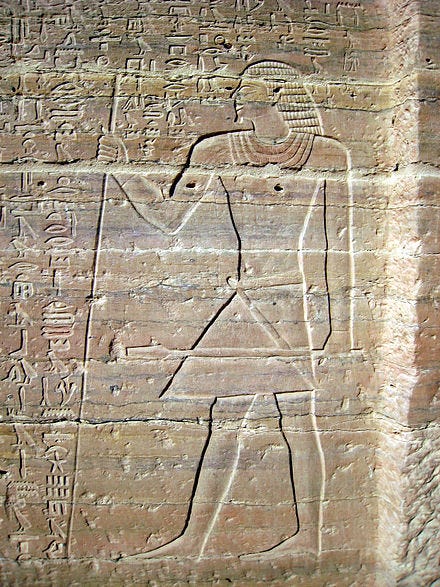

Egypt was at the height of its power, expanding its influence beyond the Nile and establishing its first significant trade routes with distant lands. The Pharaohs saw Yam as a place worth risking monthslong expeditions to reach.
Harkhuf served Pharaohs Merenre I and Pepi II, and his tomb inscriptions describe multiple journeys to Yam, each taking seven months or more. Each time, he returned with incredible luxuries: incense, ebony, leopard skins, elephant tusks, and boomerangs.
Yam wasn’t an obscure trading outpost. Harkhuf’s accounts suggest Yam was a major power, potentially even a rival to Egypt in its early days.
But if that was the case, why did Yam leave behind no cities or monuments.
The Hunt for Yam’s True Location
For centuries, scholars believed Yam was located somewhere south of Egypt, in Nubia (modern Sudan).
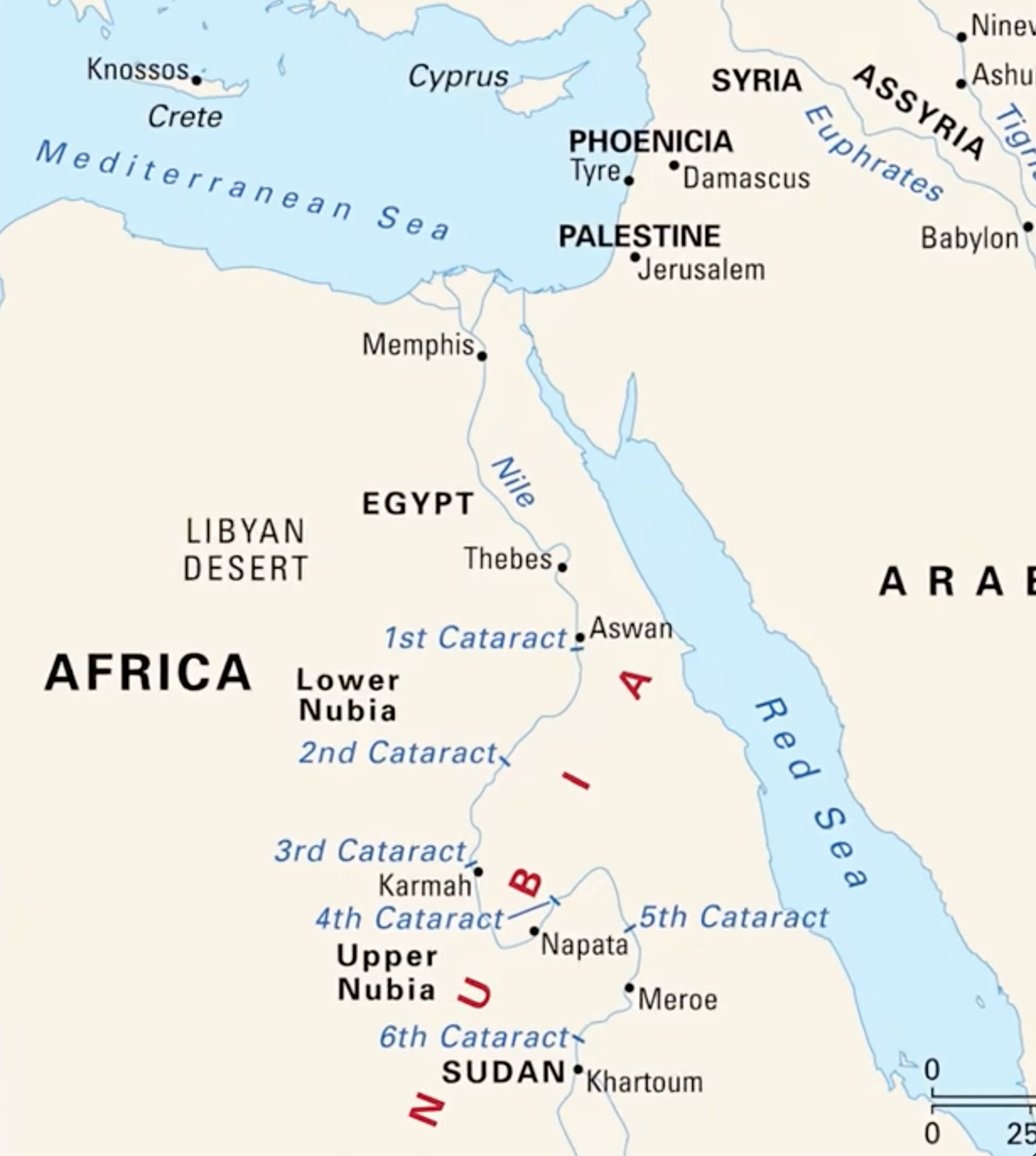
Egypt’s connections with Nubian states like Kerma and Kush are well-documented, and it made sense that a major trade partner would be in that region.
One big problem. No artifacts related to Yam were ever found in the region.
In 2007, archaeologists made a discovery that changed all that.
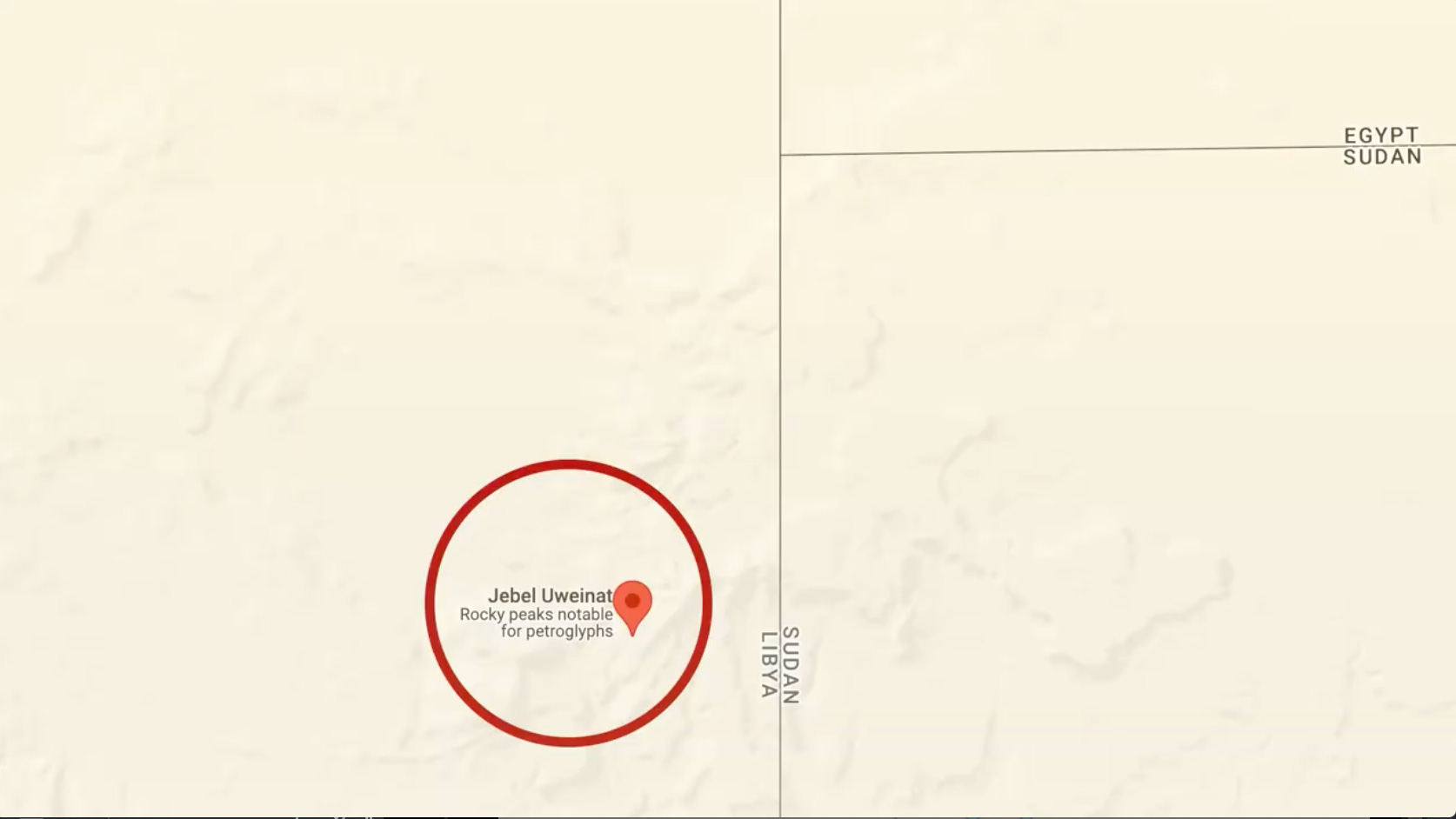
A hieroglyphic inscription referencing Yam was found 430 miles west of the Nile, near the modern border of Libya and Egypt. This shattered the long-held belief that Yam was in Nubia.
If Yam was that far west, it means that Egypt had access to a vast and trade network deep in the Sahara — one that was active more than 4,000 years ago.
A Forgotten Desert Empire?
This discovery suggests that Yam may have been part of one of the world’s earliest trans-Saharan trade routes. It raises the possibility that the Sahara more than a wasteland even in ancient times. It may have been home to powerful societies with access to serious wealth.
Egyptian records mention gold and exotic materials coming from the south, but if Yam was in the west, we might need to rethink about where these goods truly came from.
Did Egypt amass its wealth from someplace deep within Africa, through desert networks controlled by Yam?
If so, Yam may have been more than a single kingdom. It could have been a powerful trade hub, controlling caravan routes across the desert long before the famous trans-Saharan trade networks of the medieval era.
This would mean that ancient Africans were managing sophisticated trade routes thousands of years earlier than previously believed.
How Did Yam Disappear?
If Yam controlled the flow of goods into Egypt, it may have been a target for rival kingdoms.
Was it raided? Conquered? Absorbed into a growing Nubian empire?
If it was swallowed by a larger power, its people and culture may have simply merged into history, leaving little trace.
But conquest isn’t the only possibility.
The period following the Old Kingdom saw major climate shifts. The Sahara was becoming drier, its ancient lakes and rivers vanishing.
If Yam’s power depended on desert trade routes, the changing environment could have sealed its fate. The once-thriving civilization may have literally been swallowed by the sands.
The Final Mystery
Despite centuries of speculation, Yam’s exact location remains unknown. But all it would take is a single discovery to help pinpoint the location.
If archaeologists find Yam, it could reshape our understanding of the ancient Sahara and the sources of Egypt’s wealth.