

The clay tablet that launched a million self-help books
4,600 years ago, a Sumerian king gave life advice to his sons that still holds up today.

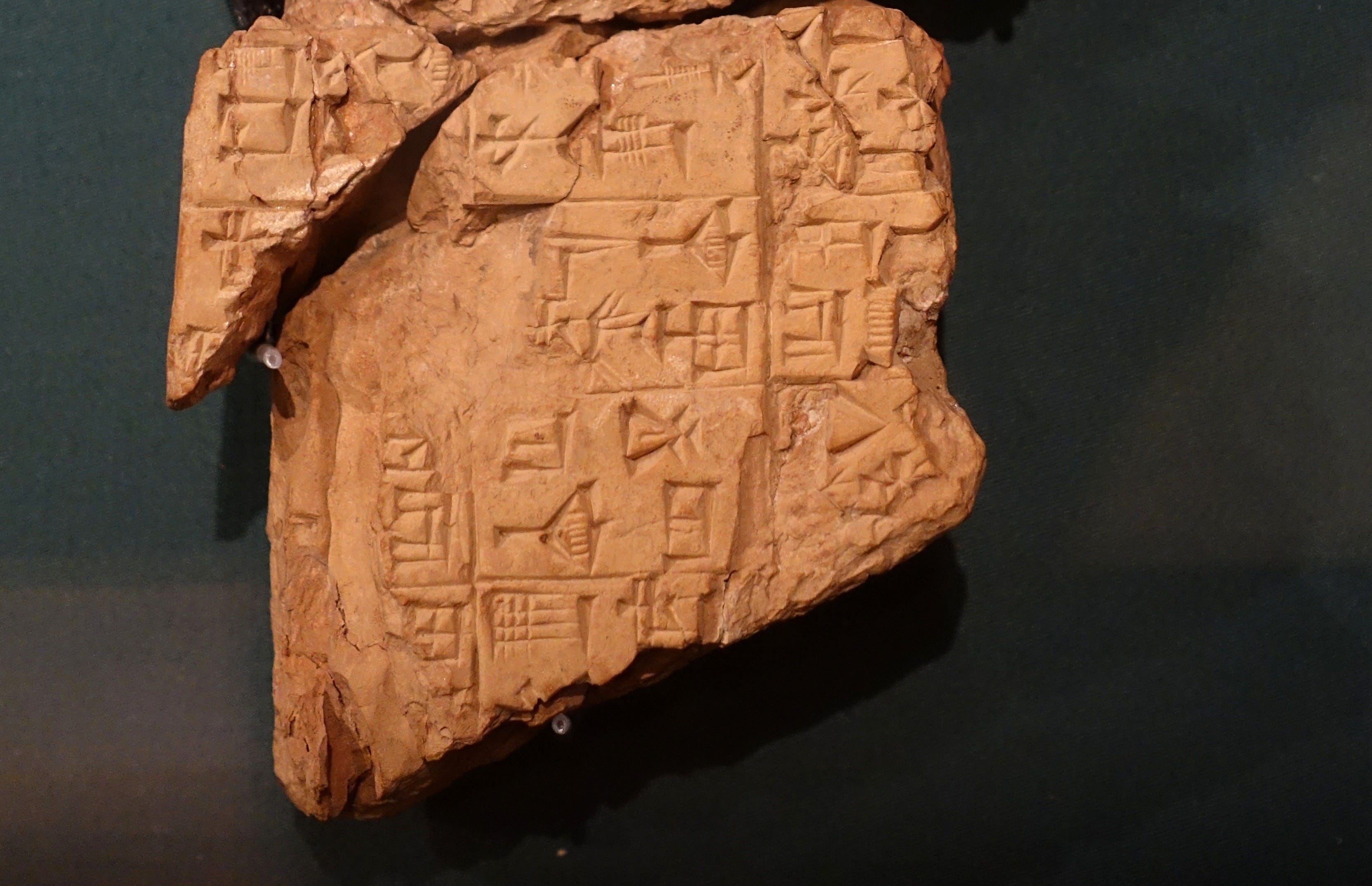
Before podcasts, before paperbacks, before even paper was invented — a Sumerian father pressed 280 lines of life advice into clay.
His 4,600-year-old notes for living a good life might be the world's first personal development text, and they're surprisingly on point for 2025.
“The Instructions of Shuruppak” isn’t just a look into life in southern Iraq almost 5,000 years ago, it’s a testament to a father’s foresight and care for his sons.
King Shuruppak (c. 2600 BC) advises his sons on building trust, showing kindness to neighbors, and staying true to your word — timeless values that still anchor communities.
These clay tablets capture everyday wisdom that feels surprisingly modern. "Don't buy a donkey that brays too much" might sound quaint, but swap "donkey" for "car," and you've got solid advice about checking under the hood before you buy.
There are also traces of the metaphysical and several maxims that would appeal to Zen Buddhists, although Shuruppak was writing 2,000 years before Buddha was born.
Shuruppak's words survived because they struck a chord with generations of ancient scribes who copied them for their students. Think of it as the original viral content — but shared through careful impressions in clay.
Reading Shuruppak's words today is like finding a message in a bottle — from another age.
When he warns us about false friends or celebrates generosity, we're reminded that while our tools have changed dramatically, human nature remains remarkably consistent.
Here are some highlights from the advice King Shuruppak gave his sons about breweries, family, and minimalism:
"A loving heart maintains a family."
"Do not pass judgment when you drink beer."
"You should not boast in beer halls ... like a deceitful man."
"Do not speak needlessly; that is a trap."
"It is inconceivable ... that something is lost forever."
"Nothing at all is to be valued, but life should be sweet. You should not serve things; things should serve you."
Of course not all advice is universal or timeless:
"The gods of the mountains are man-eaters."
“You should not abduct a wife; you should not make her cry.”
The full text can be found here.